Elimination of Child Labour in Seasonal Agriculture Project Completed
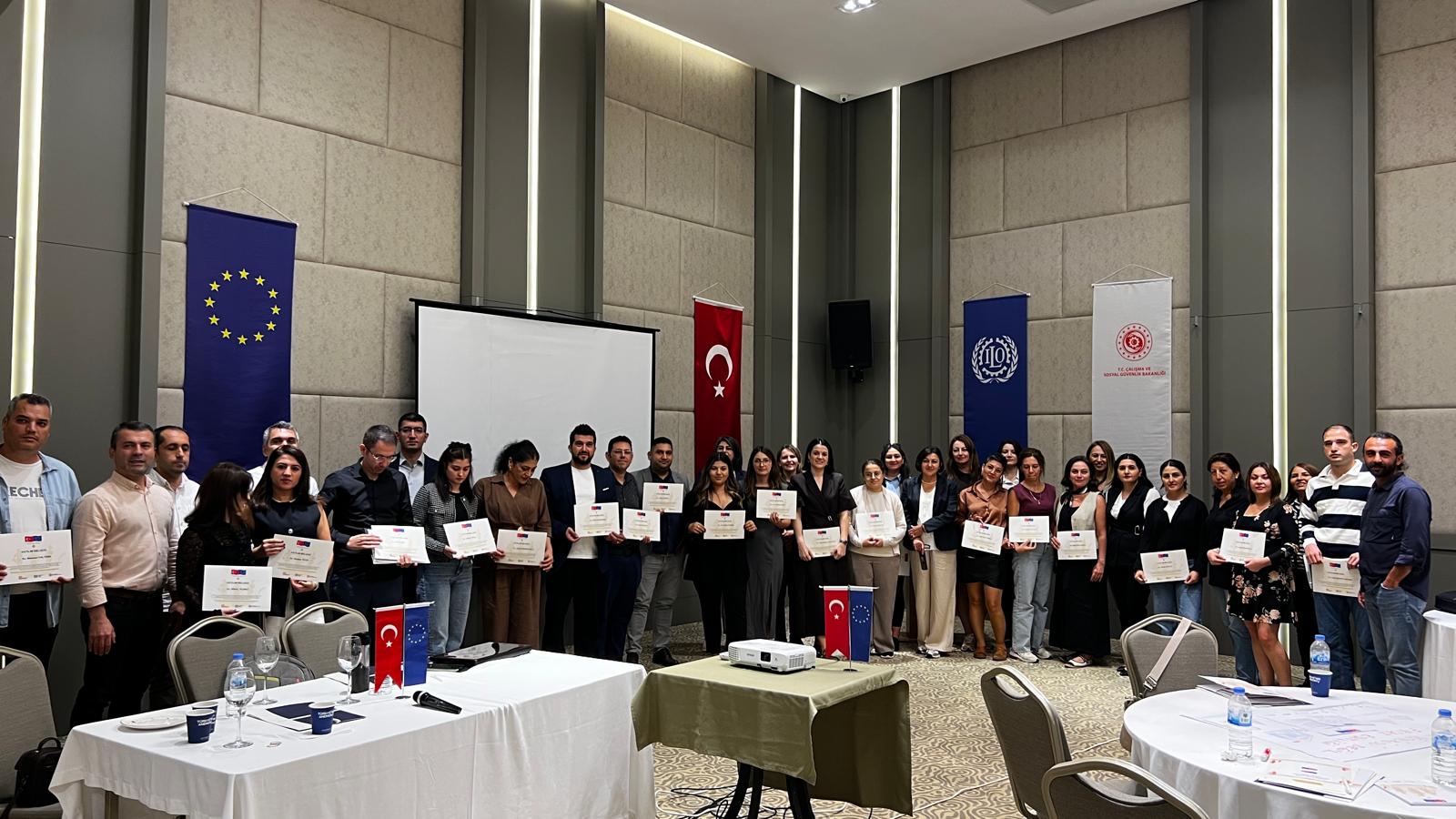
The project “Elimination of Child Labour in Seasonal Agriculture,” implemented by our Association in cooperation with the Republic of Türkiye Ministry of Labour and Social Security – General Directorate of Labour and the International Labour Organization (ILO), has been successfully completed following nationwide field activities and training programmes. Within the scope of the project, face-to-face and online activities were carried out in 17 provinces, bringing together hundreds of public officials, teachers, gendarmerie personnel, village heads (muhtars), and civil society representatives around a shared objective.
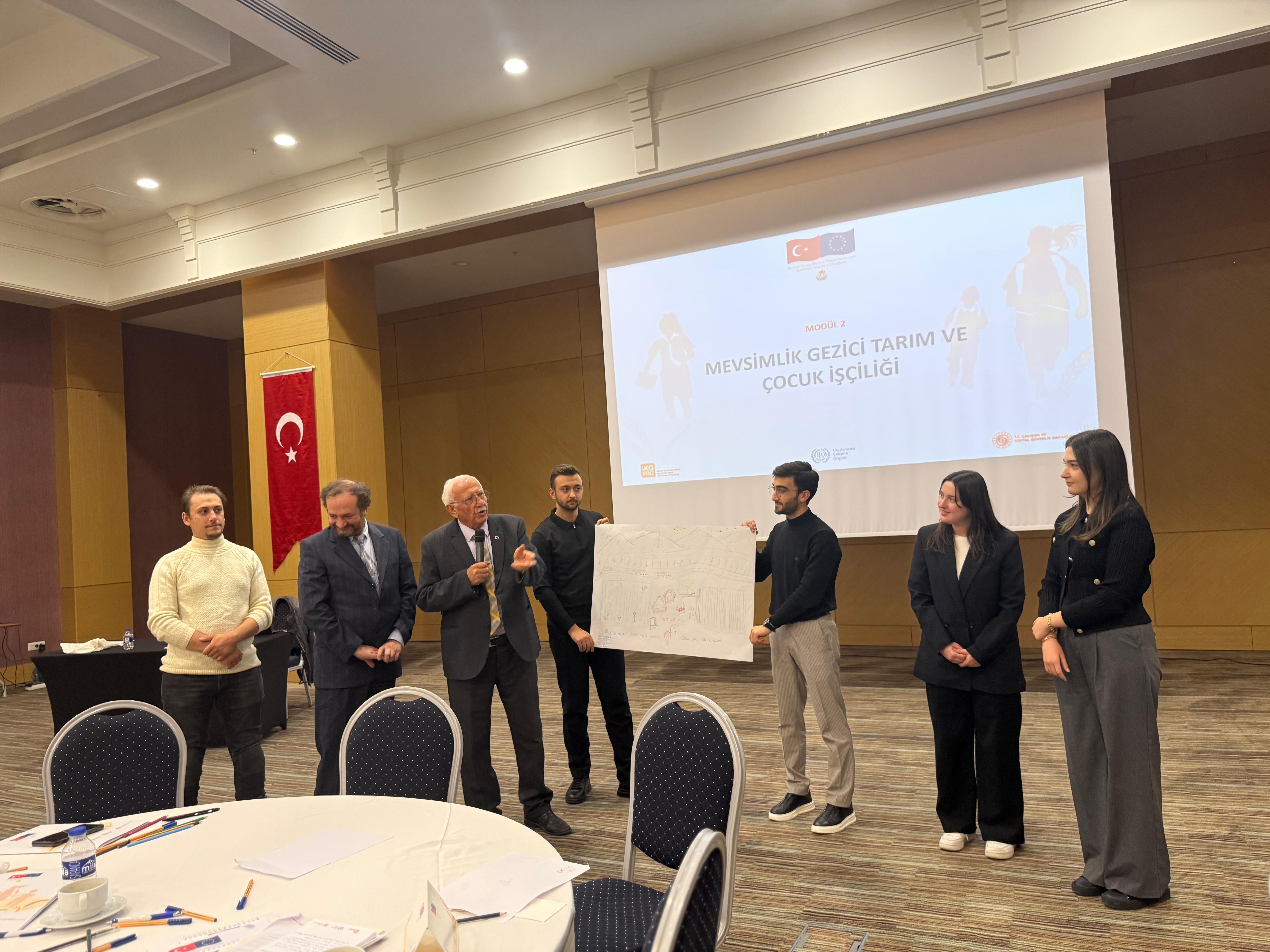
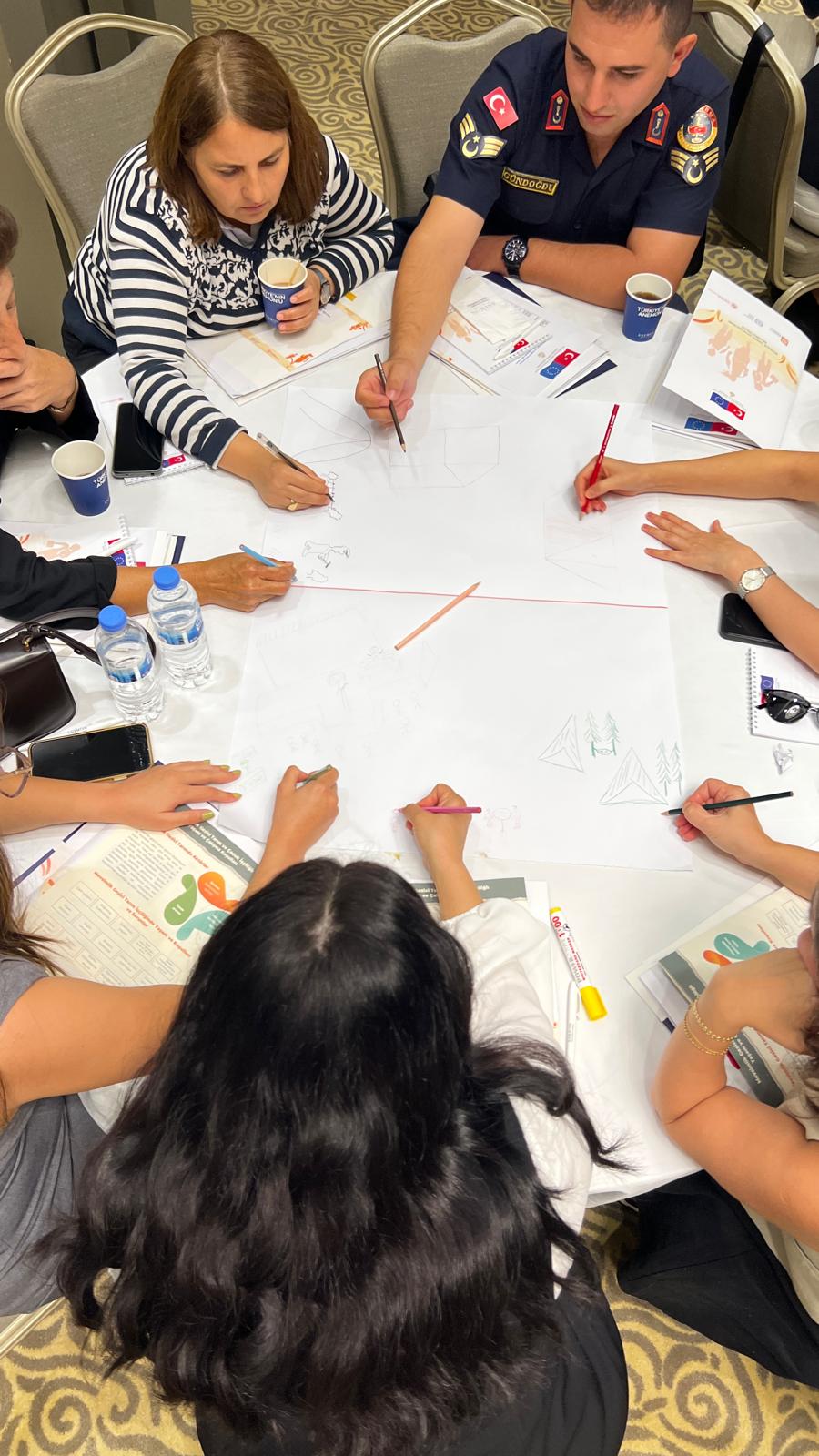
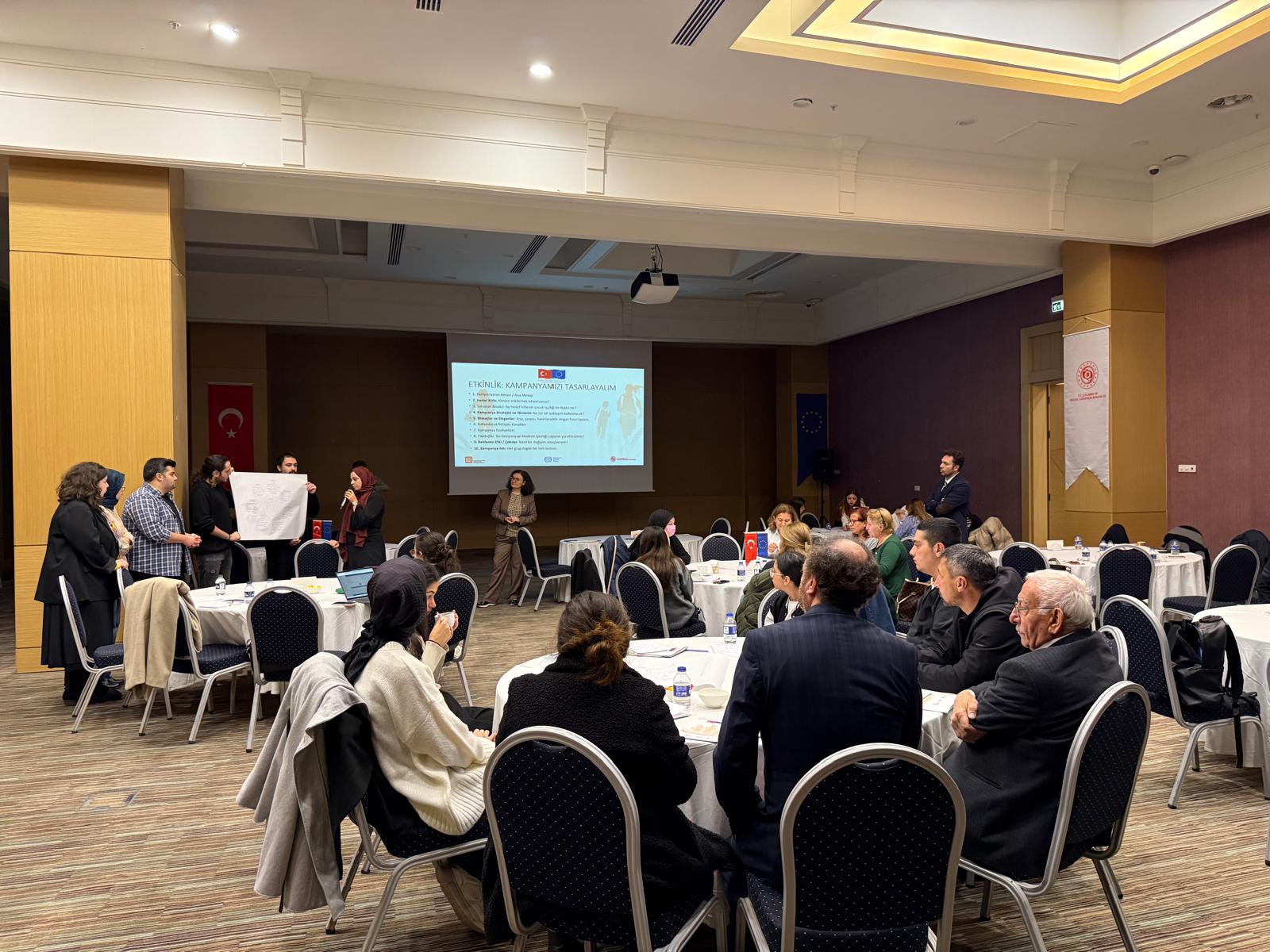
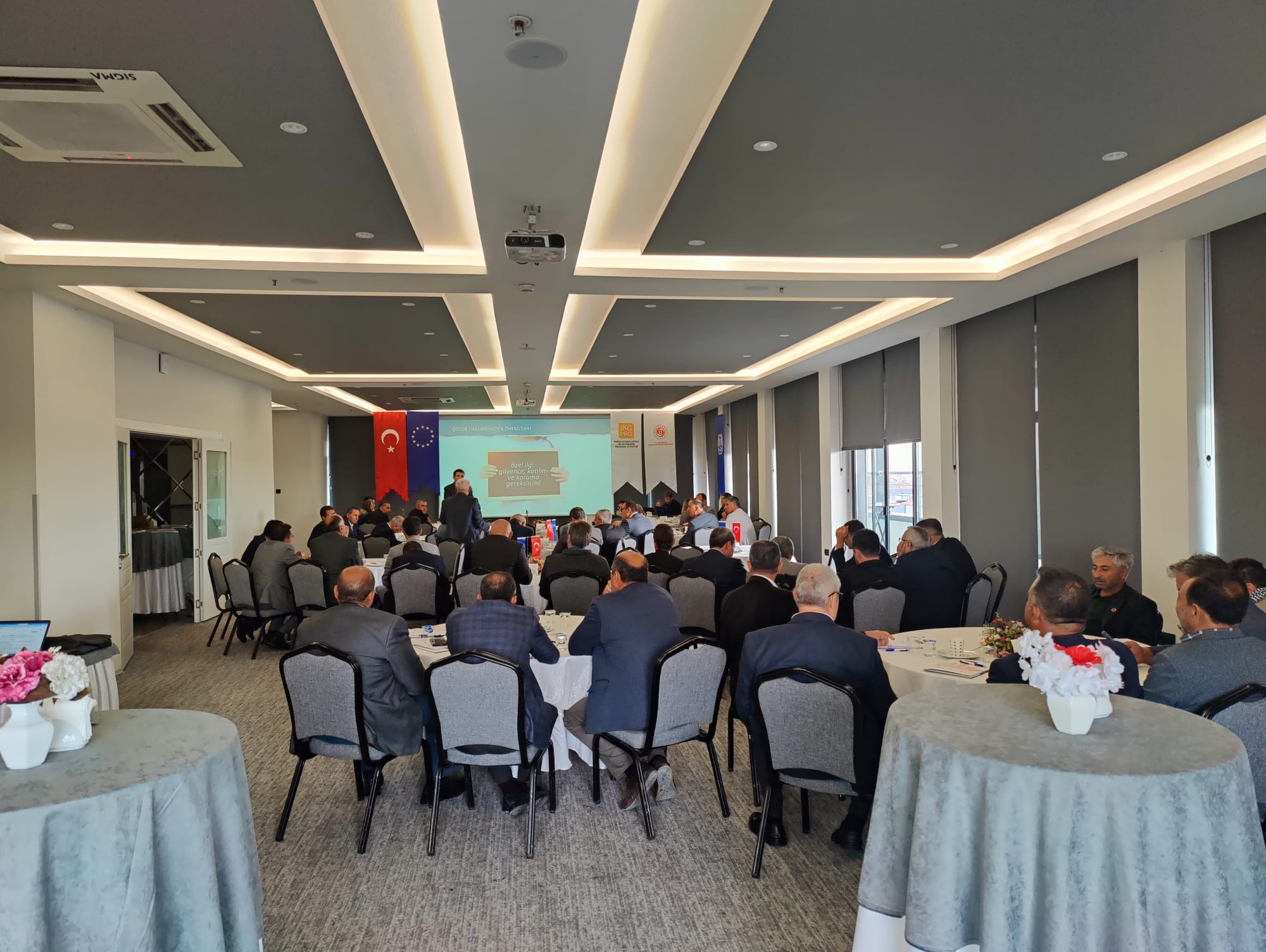
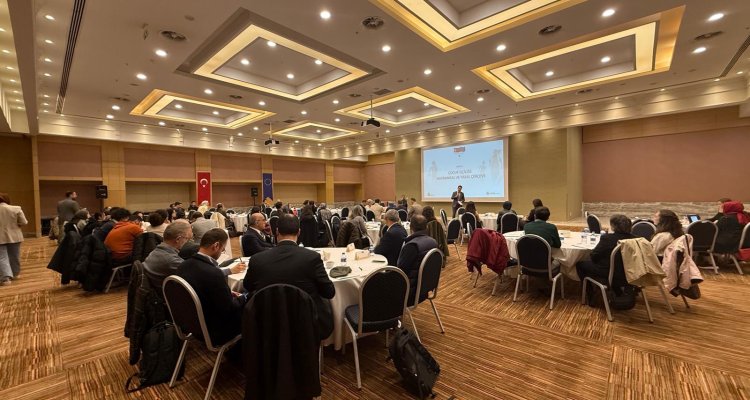
Throughout months of fieldwork, training sessions were held in many provinces, from Konya to Şanlıurfa and from İzmir to Hatay, focusing on the risks faced by children involved in seasonal agricultural work. Participants were informed about what constitutes child labour, which situations should not be considered “family assistance” but rather child labour, and how institutions should intervene when cases are identified in the field. Real-life examples, case discussions, and interactive methods formed the core of the training sessions.
Meetings held specifically with village heads and farm/garden owners attracted particular attention. The risks associated with children working in fields during harvest seasons were discussed based on field experiences, while occupational health and safety equipment was distributed to employers and local administrators. This approach provided not only awareness-raising but also tangible, practical support in the field.
The programmes delivered for teachers and social workers focused on the early identification of children who cannot attend school due to seasonal agricultural work, communication with families, referral mechanisms, and inter-institutional cooperation. Online trainings were organised for earthquake-affected provinces, enabling field personnel to participate despite logistical constraints.
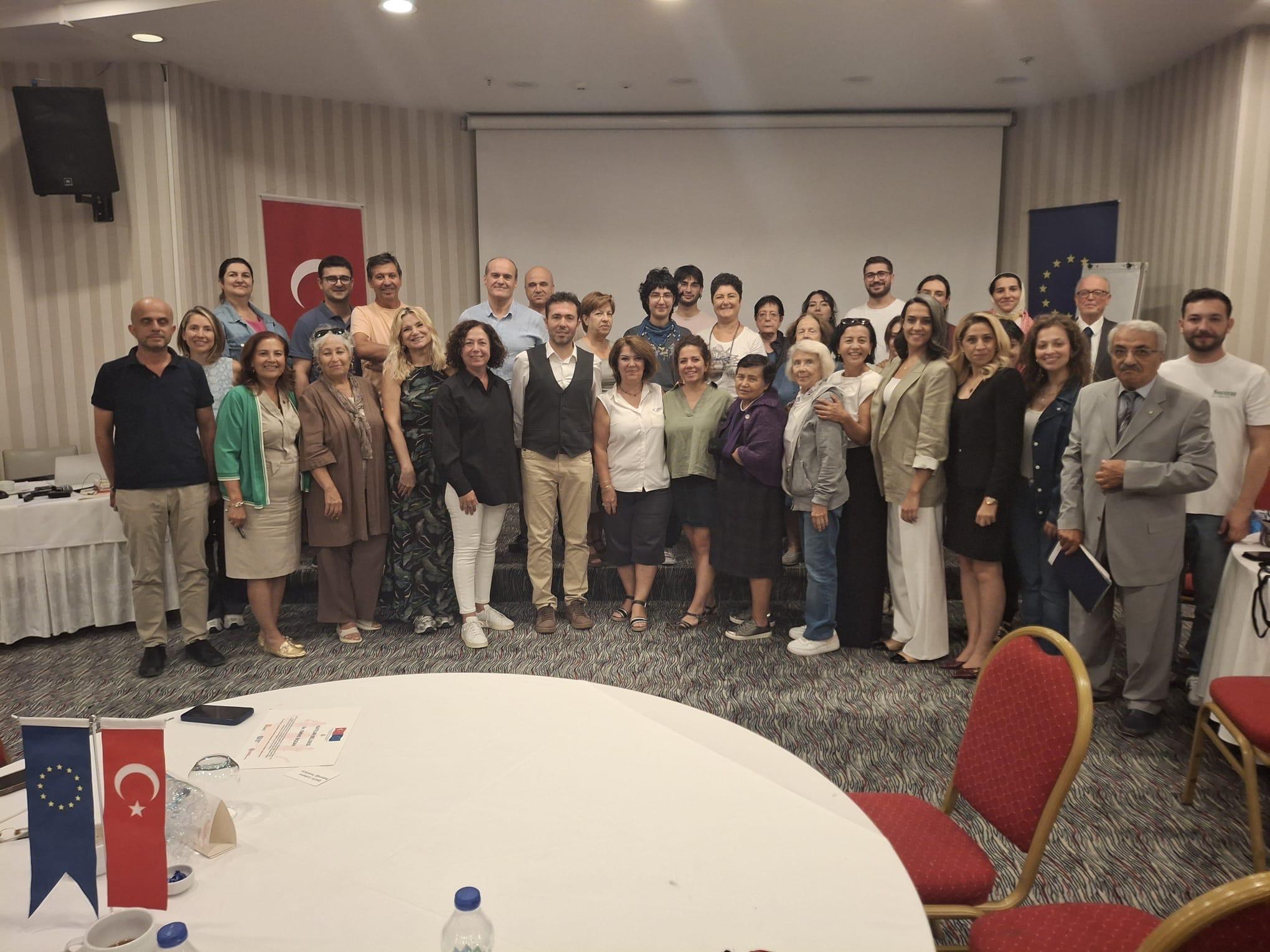
Special sessions held for gendarmerie personnel addressed the identification of child labour in seasonal agricultural areas, field practices, and digital reporting procedures. In addition, two-day workshops with civil society organisations focused on advocacy, policy monitoring, and awareness-raising at the local level in the fight against child labour.
Throughout the project, we observed that the strong cooperation established with public institutions, local authorities, and civil society organisations significantly increased awareness in the field. Bringing different stakeholders together around a common goal helped strengthen a culture of joint action in tackling child labour in seasonal agriculture. The activities carried out across different regions of Türkiye helped build a strong awareness base for the protection of children in seasonal agricultural settings.
Within the scope of the project, 14 academic staff members with relevant expertise took active roles in the training activities, working directly with public officials, teachers, gendarmerie personnel, village heads, and civil society representatives in the field.
We would like to thank all our partners who contributed to this process. We extend our sincere appreciation to the International Labour Organization (ILO) and the Ministry of Labour and Social Security, as well as to all public institutions, local authorities, professional organisations, civil society organisations, and the 14 academic experts who contributed with dedication throughout the project. The strong ownership and cooperation demonstrated in the field once again highlighted the importance of acting together in the fight against child labour.